
Before You Even Speak
You are evaluated before you are understood.
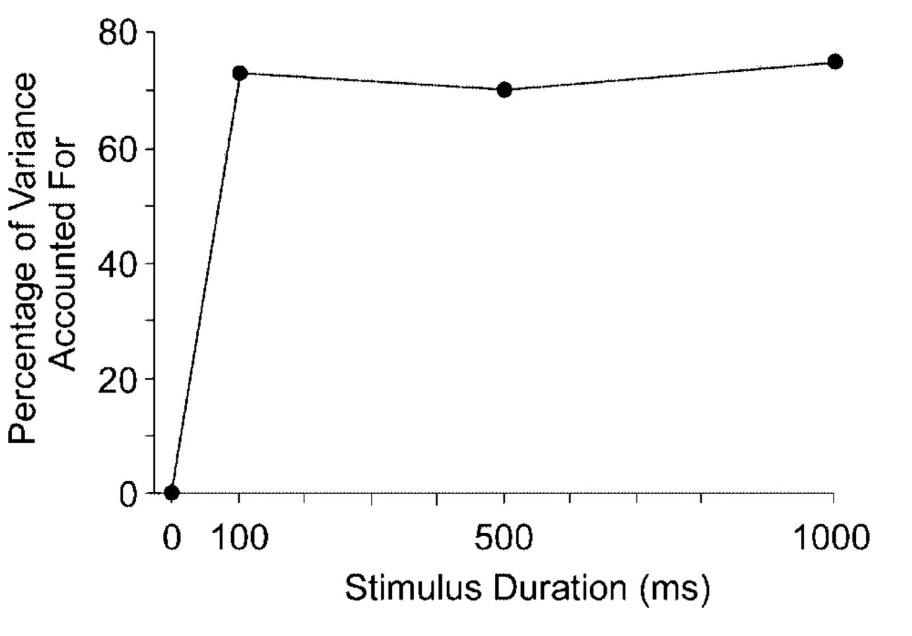
The moment someone sees you, they are already forming judgments about who you are. Research shows that people form impressions in 100 milliseconds. Almost instantly, they infer trustworthiness, competence, and intelligence. Unfortunately, you can’t control how someone judges you, but you can control what they judge.
Perception shapes opportunity. If you are perceived positively, as competent, credible, or aligned, you are given access more quickly. The question is whether that communication is strategic.

AI Generated.
A blazer, with its tailored construction and structure, communicates discipline. It communicates that the wearer understands the environment and has dressed intentionally. That intention is perceived as competence. And, competence changes how someone is treated.
The blazer isn’t magic; it won’t make you competent, but perception operates before proof.
If perception happens before proof, then clothing operates as a strategy. And this is the most uncomfortable because strategy sounds a lot like compromise.
So what does this mean?
Are we all going to be clones wearing blazers?
Is strategy a euphemism for selling out?
When I think about dressing strategically, the fear is losing my edge and becoming generic. It means wearing something mundane, making me feel invisible. It could mean putting something on that flattens my femininity to fit a certain template. It could look like wearing something that hides my silhouette, which helps me feel put together. But the fear of hiding my silhouette isn’t about the trend, it's about the structure. Styling to your body type creates visual balance. Proportions change how you are seen in a space. It influences your physical comfort, psychological state, and functional capability. When your clothes fit your body, you look purposeful. Purposeful reads as put together. And, put together reads as professional. Understanding your silhouette is an efficient way to signal professionalism without erasing your identity.
I'm not abandoning my style. I’m refining it.
At a networking event, I would keep my silhouette. I would soften bold trends and minimize accessories. I would elevate my polish. This is often referred to as ‘business smart’. Understanding your environment and tailoring yourself to it is not about changing who you are; it is about using intention to maximize the outcome.
Editing isn’t erasing.
Dressing professionally is not universal. It's not neutral. For example, looking polished is not the same everywhere; it is contextual. It is influenced by the culture. What could be appropriate in one space could be interpreted as performative in another. A suit communicates attention to detail and confidence in the finance industry, but in some creative work spaces, it could signal stiff or disconnected.
You don’t need to erase your style to be taken seriously. You don’t even have to dilute your aesthetic. But you have to remember to be intentional. You are being read before you even speak. The goal is to enter the room on your own terms because, whether you mean to or not, you are communicating.