
How TikTok Decides What You Wear
When I get dressed for class, or really any social interaction, I stand in my closet full of clothes with no idea what to wear. I think about everything. I have this constant fear that I will look too dressed up, and people will judge me for caring. But I don't want to dress "basic" either, because I like to feel good in my clothes and have style. What actually decides my outfit is my confidence that day, whether I can walk around in a chic outfit, doing not-so-chic things, without spiraling about what everyone is thinking.
Style sits in that tension now. Either holding back or doing too much because of pressure and trends. We hear that style should represent who you are, that it's a form of communication. But somewhere along the way, we got trapped in the uniform of aesthetics.
Social media sells us style but delivers insecurity. I can open TikTok feeling completely fine about what I am wearing and close it feeling like I need to start over. That is not inspiration. That is a pipeline straight to checkout.
A couple of years ago, the big thing was Urban Outfitters corset tops. Not bad necessarily, just not my style. I had nowhere to wear them and was uncomfortable showing that much skin. These tops were $60. They came in every color. I bought two. I was dressing way too old, I didn't even like them, and I still bought them because I saw them everywhere and I wanted to have them too.
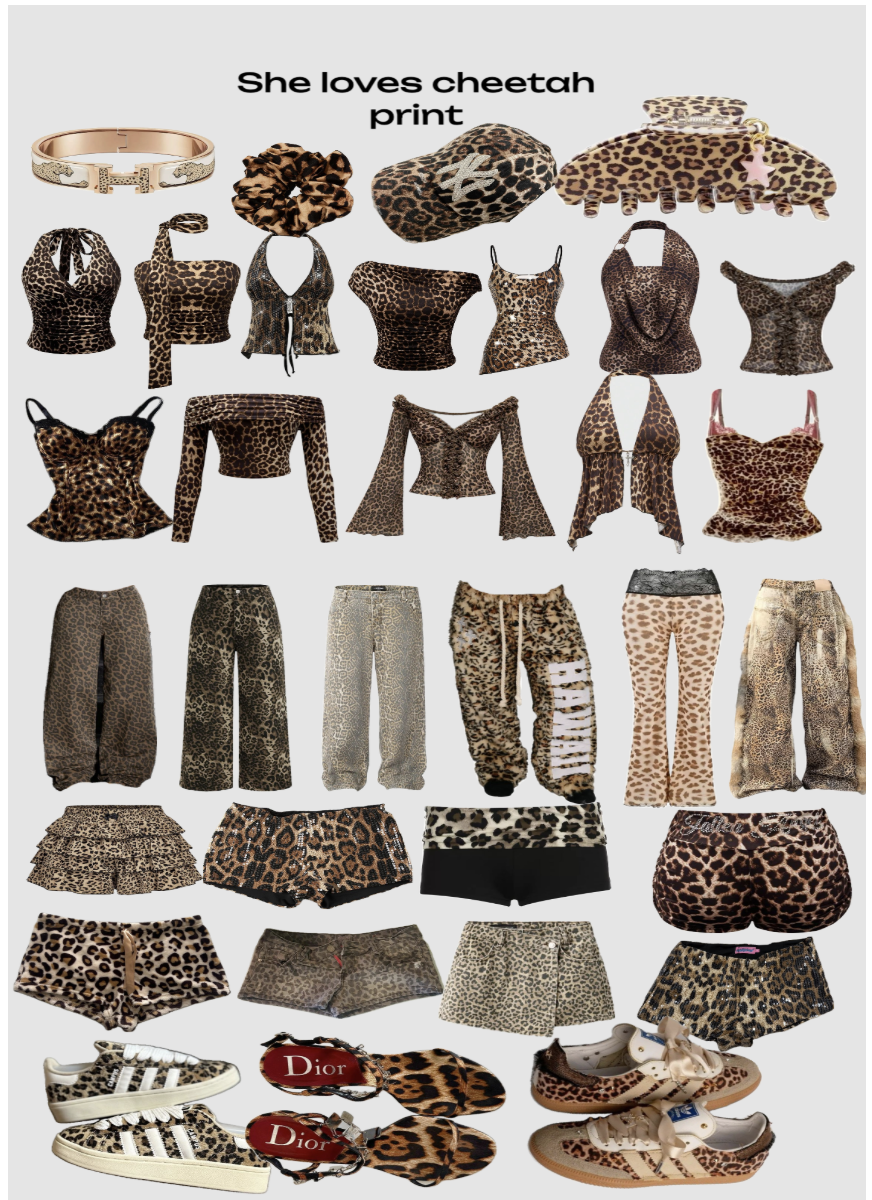
CheetaGATE 2025
Then came 2025 and cheetah print. The entire fast fashion industry was throwing it up everywhere. It got excessive, overplayed. It started becoming a Gen Z uniform. Every single girl had some version of it. What felt unique turned "basic" within weeks.
I felt like I needed those clothes one week and had a volatile reaction to them the next. When a style goes viral, that's when it dies.
The Aesthetic Trap
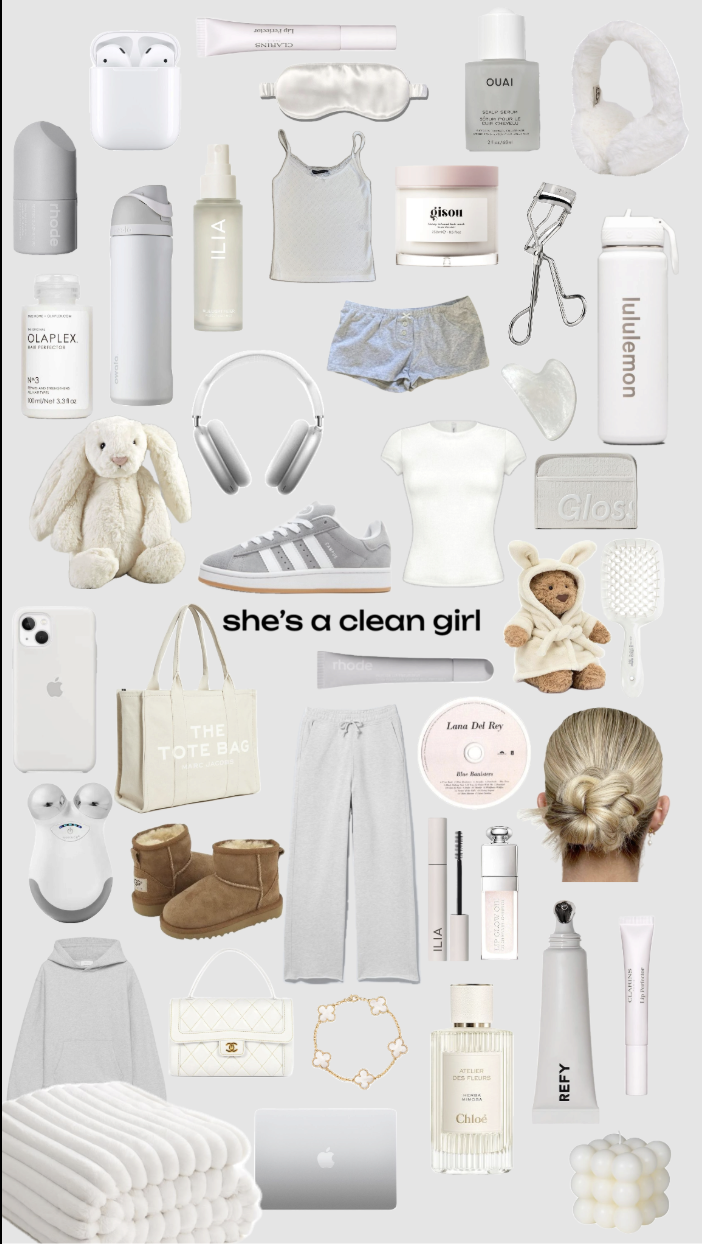
Aesthetic labels made this even more specific. Take "clean girl." I fall into that one every time. I always feel like I need something, and something is never right. The rule: two out of three must always be done, hair, makeup, or outfit. Slick-back buns, glowing skin, matching sets, nothing too bright. Plain and simple. At that point, it's not an aesthetic. It's a uniform disguised in a pretty way. Research on aesthetic identity shows that people use visual style to signal belonging, but once an aesthetic becomes a group, it develops boundaries. Certain items are essential. Others are disqualifying. Aesthetics have become a euphemism for uniform.
Look at these. Different people, different places, same exact outfit.
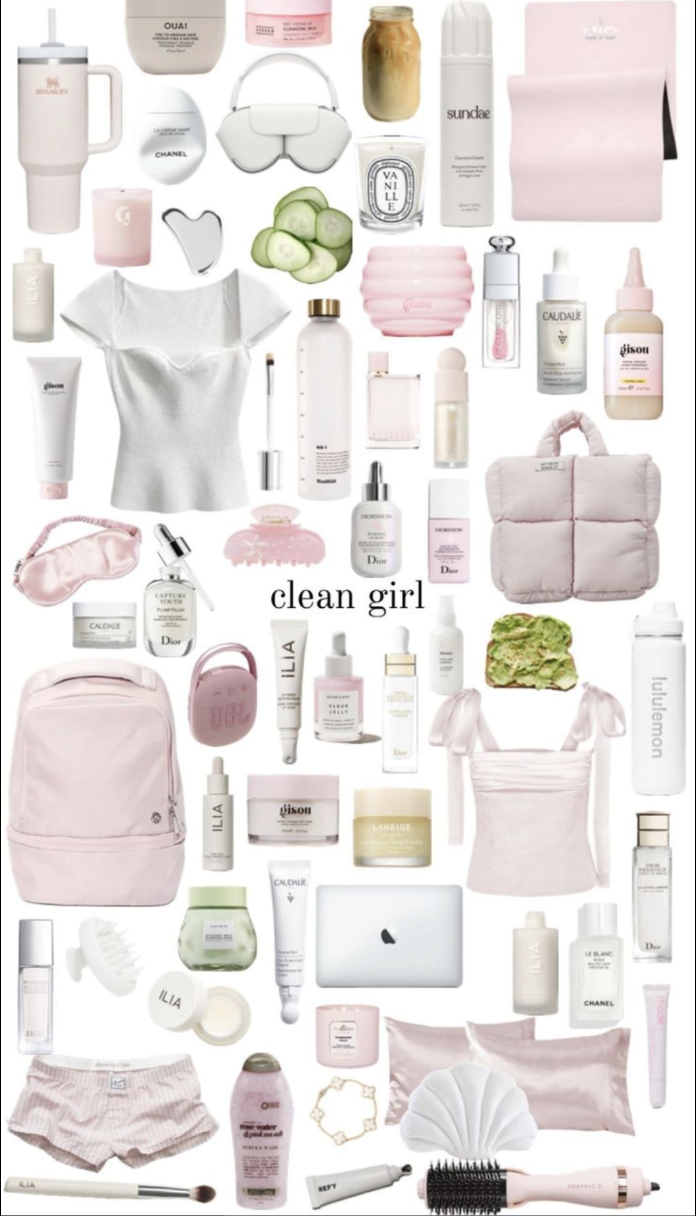
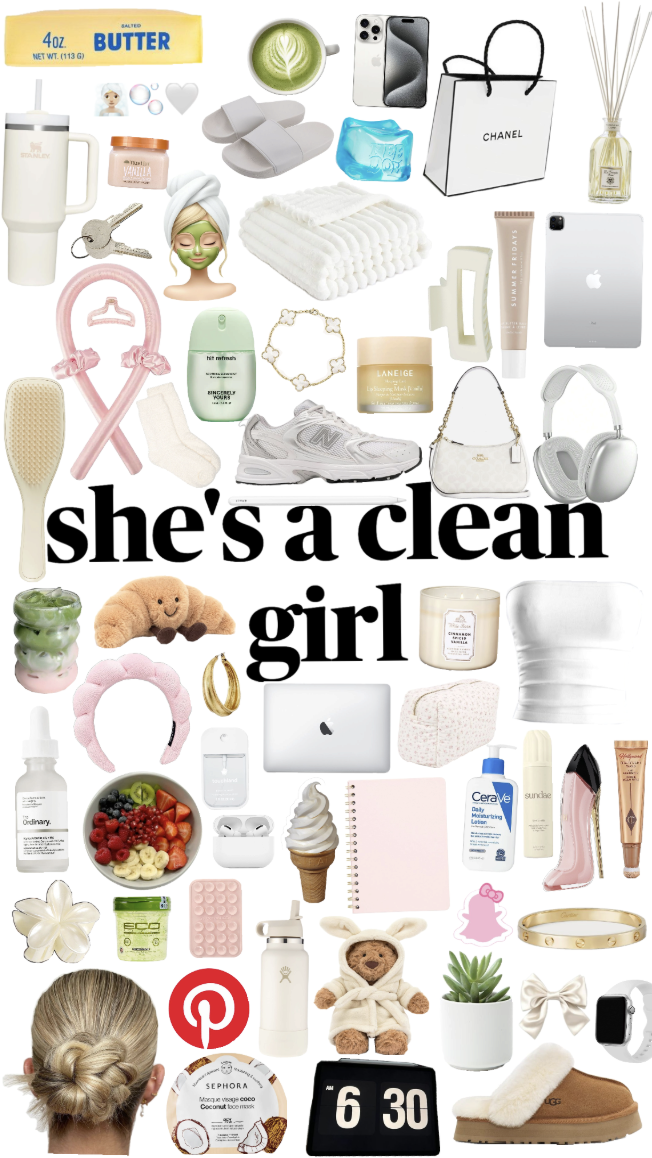
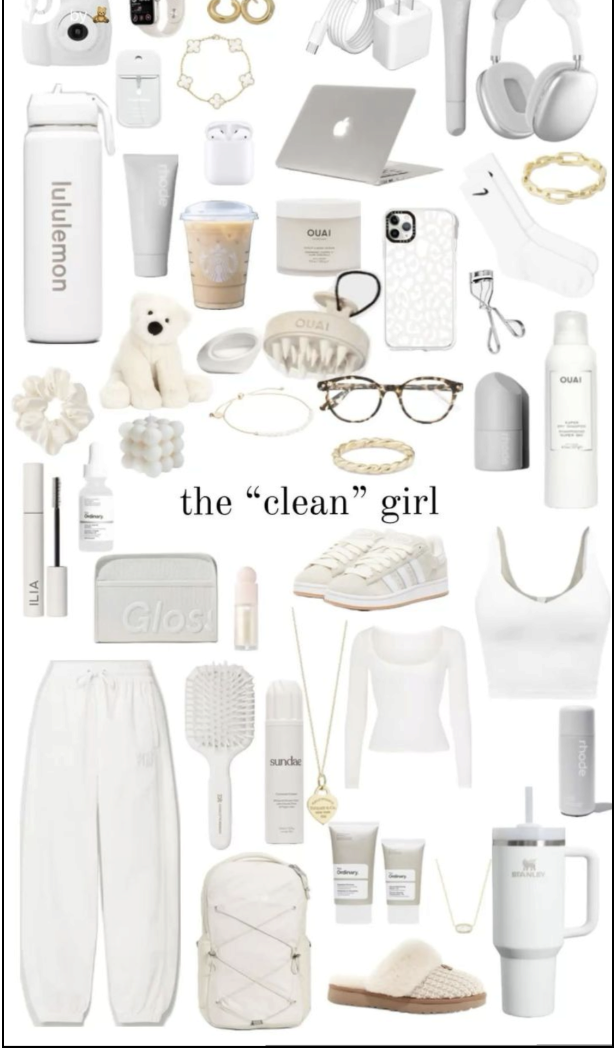
That One Outfit That Haunts You
Have you ever looked at your camera roll, seen a picture of an outfit, and thought, what was I thinking?
For me, it's my grunge/streetwear phase. Three-times-too-big pants, an oversized hoodie, a denim vest. That day, I thought I was the coolest person alive. Now I look at it, and I look like I borrowed my older brother's clothes because I spilled on mine. I was playing dress up in someone else's aesthetic, not my own.
When people say "dress for yourself," I think it's the most unrealistic advice ever. Like, yes, that's the goal. But telling someone to just dress for themselves is like telling an anxious person to just stop being anxious. If it were that easy, don't you think we would have already done it?
The issue is social media and the comparisons it feeds. The platforms are just the delivery system. We scroll, we see, we compare ourselves to people we have never met and probably never will. And somehow that stranger's outfit ends up in our cart.
So before you buy that top you just saw on TikTok, try the three-outfit rule first. Go to your closet and style three separate, distinct outfits with it using what you already own, not three variations of jeans, but genuinely different bottoms. A skirt, pants, something else entirely. If you can't build three outfits around it, you probably don't need it. That one rule does more than any "dress for yourself" reminder ever could because it forces you to shop for your real life, not for a version of yourself that only exists online.
And then ask yourself one more question: will I still want this once no one is talking about it anymore? Trends have a lifespan of weeks. Your style is supposed to last a lot longer than that.
The Goal Was Never to Match
My sense of style came from my mom. I knew I had started developing my own taste when I started loving her clothes instead of hating them. She embodies what I want to be: denim, colors, prints, and completely unafraid to wear something different from everyone else. She actually loves that. My style is still evolving, and I am still getting caught in aesthetics. But I know where my real taste lives.
No one sets out to start a trend. They just happen. Fashion designers don't go based on what's trending; they go based on what they like. That's how we should all think about our clothes. More people feel this way than say it out loud. You have probably spent more time dressing for strangers on the internet than for yourself, and that is not a personal failure. That is just what the scroll does to all of us. The goal was never to look like everyone else. You already knew that.